
X
30% Off
All Memberships (ends Nov. 30)
Study Smarter, Spend Less.

Project Development & Documentation (PDD)

ARE 5.0 Project Development & Documentation (PDD) Study Guide

Master detailed design development, construction documentation, and building systems coordination with study materials built for the most graphic-intensive ARE division.
ARE 5.0 Project Development & Documentation (PDD) Study Guide

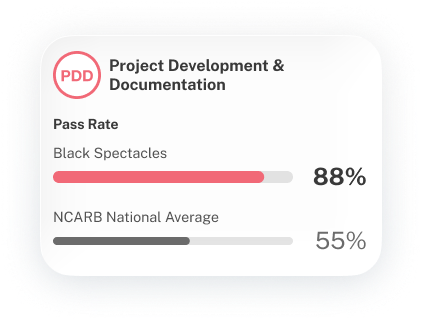
PDD Pass Rates 60% Higher Than NCARB Average


Black Spectacles testers pass PDD 88% vs the NCARB average of 55%

Students who prepare with Black Spectacles pass the PDD exam at rates up to 60% higher than the national average.

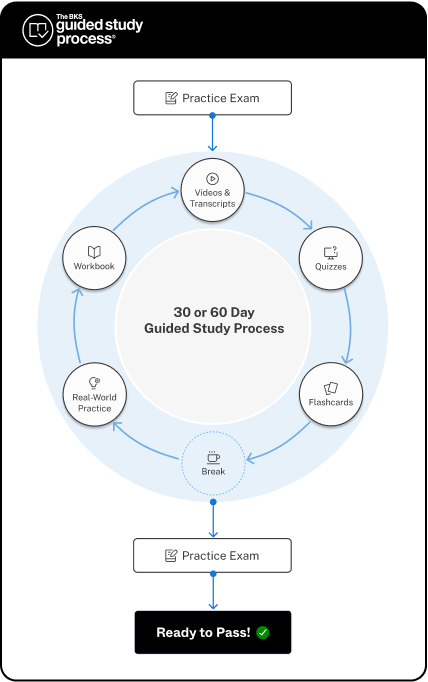
Our proven study system combines practice exams that mirror the real NCARB exam, expert-led video lectures, quiz breaks built into each lesson, and flashcards directly tied to key lecture terms—so you can learn faster, retain more, and walk into test day with total confidence.

Black Spectacles testers pass PPD 88% vs the NCARB average of 55%

What is the Project Development & Documentation (PDD) Exam?

The PDD division of the Architect Registration Examination (ARE 5.0) focuses on the integration and documentation of building systems, assemblies, and materials into coordinated project details that support construction and design intent.


Project Development & Documentation (PDD)

Exam Format and Structure

The PDD division of the Architect Registration Examination (ARE 5.0) focuses on the integration and documentation of building systems, assemblies, and materials into coordinated project details that support construction and design intent.

Pass Rates and Statistics

National pass rates for PDD typically average around 55%, but Black Spectacles students consistently outperform this through focused, goal-oriented study.

Exam Duration and Question Types

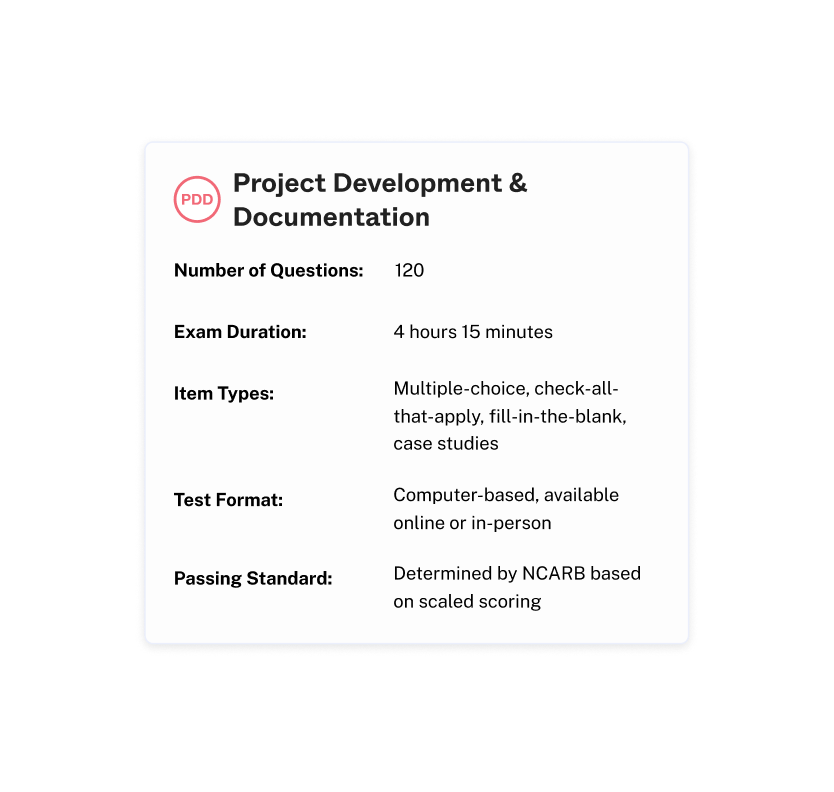
You’ll have 4 hours and 15 minutes to complete 120 questions, including multiple-choice items and two detailed case studies.

What the PDD Exam Covers


1. Integration of Building Materials and Systems

Tests your ability to select and coordinate materials, structural systems, and MEP systems that meet performance, budget, and design goals.

2. Construction Documentation

Assesses your ability to produce and coordinate detailed drawings, specifications, and schedules that communicate design intent to contractors and consultants.

3. Project Manual and Specifications

Covers the preparation and organization of specifications, project manuals, and documentation required for bidding and construction.

4. Codes and Regulations

Evaluates your understanding of building codes, accessibility, and life safety requirements and how they apply to detailed design and documentation.

5. Construction Cost Estimates

Tests your ability to develop cost estimates and evaluate how material choices and systems affect construction budgets.valuates your understanding of building codes, accessibility, and life safety requirements and how they apply to detailed design and documentation.

Project Development & Documentation (PDD)

What's Unique about the PDD

Project Development & Documentation takes design into the documentation phase—think design development and construction documents. This is the most graphic-intensive division, with numerous questions requiring you to analyze drawings, details, and specifications. PDD tests your understanding of how buildings are documented for construction, including detailed material selections, assembly coordination, and construction sequencing. 


Black Spectacles Guided Study Process

Recommended Study Timeline

Most candidates spend 8–10 weeks preparing for PPD. Break your study plan into weekly goals and milestones using our built-in Guided Study Process to stay organized and on track.

  • Weeks 1-2 : Focus on Sections 1-2 (Building Systems Integration and Construction Documentation). Study how to document building assemblies, create details, and coordinate systems in construction documents. Use video lectures to understand drawing conventions and flashcards for material properties and assembly types.

  • Weeks 4-6: Study Sections 3-4 (Material Selection and Building Design). Learn material characteristics, sustainability considerations, and how to evaluate details for constructibility. Our practical application videos show how design decisions translate into construction documents.

  • Weeks 7-8: Master Section 5 (Building Systems Coordination). Practice analyzing how structural, enclosure, and MEP systems are coordinated in construction documents using quizzes with detailed drawings.

  • Weeks 9-10: Take full-length practice exams with emphasis on visual analysis. PDD has more Hot Spot questions than any other division—practice identifying problems in details, sections, and plans under time pressure.

Recommended Study Timeline

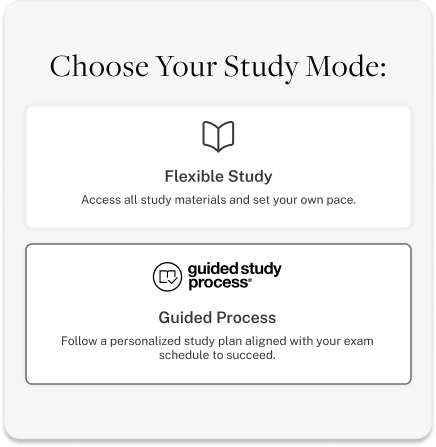
Black Spectacles offers two ways to prepare:

  • Guided Study provides a structured plan aligned with your exam schedule, helping you stay focused with clear daily tasks and milestones.
  • Flexible Study gives you the freedom to move through the material at your own pace and in any order that fits your learning style.
Choose Your Study Mode: Guided Study or Flexible Study

Black Spectacles PDD Study Materials

Learn what study tactics to pass the ARE 5.0, how to take advantage of Black Spectacles suite of study materials and how to study to pass the ARE 5.0 exams.

Expert-Led Study Materials

Black Spectacles provides a complete ecosystem of study resources created by licensed architects who understand your challenges. Our comprehensive study platform includes:

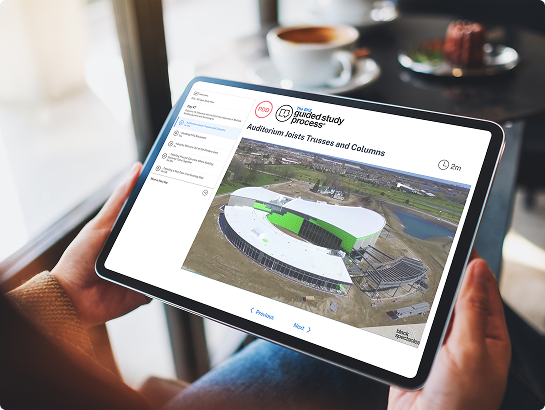
Video Lectures  Video lectures that break down complex topics into manageable segments

Practice Exams Practice tests mirroring the actual exam format and difficulty

Digital Flashcards Digital flashcards for quick review sessions

Real-World Practice  Real-World Practices to help you work through difficult problems live, with the support of your peers and a registered architect coach.

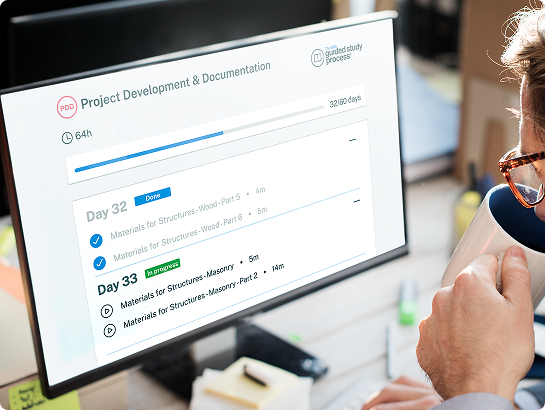
Guided Study Process The Guided Study Process organizes your study content into daily, manageable study time, including breaks, that align with your exam date.
There is a science to learning.
There is an optimal way to study. 


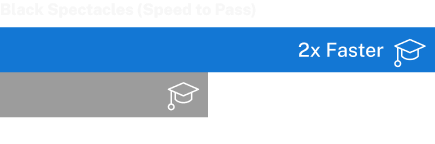
2x Faster Licensure

Black Spectacles members report completing licensure in half the time of the NCARB average.

Black Spectacles (Speed to Pass)

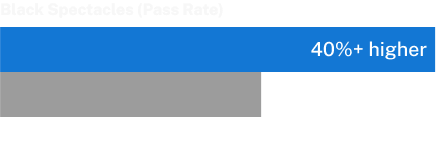
40% Higher Pass Rate

Our pass rate surpasses the national average by more than 40%

Black Spectacles (Pass Rate)

Ready to Pass the PDD Exam? 

Join thousands of candidates who’ve passed with Black Spectacles.
 

Strategic Exam Order: Your Blueprint for Success

While NCARB allows candidates to take the divisions in any order, analysis of thousands of successful candidates reveals clear patterns for success. We recommend this strategic sequence:

Your Road to Licensure in 12 Months

Month 1

PcM

Month 2

PjM

Month 3

PA

Month 4

Break

Break

Retake

Retake

Month 5 - Month 6

PPD

Month 7 - Month 8

PDD

Month 9

Break

Break

Retake

Retake

Month 10

CE

Month 11

Break

Break

Retake

Retake

Month 12

Licensed Licensed

Frequently asked questions

How long should I study for the PDD exam?

Most candidates spend 8–10 weeks preparing, studying around 10–15 hours per week.

What is a passing score for the PDD exam?

NCARB uses a scaled score system. You’ll need to meet or exceed the passing threshold set for your version of the exam.

Is the PDD exam hard?

Yes — PDD is one of the most technically detailed divisions, requiring strong knowledge of documentation, construction systems, and coordination. With focused study, you can pass confidently.

Can I take the PDD exam online?

Yes. NCARB offers both in-person and online proctored options for all ARE 5.0 divisions, including PDD.

How can Black Spectacles help me pass?

Black Spectacles provides a complete suite of ARE 5.0 study materials—featuring video lectures, practice exams, flashcards, and a guided study process designed to help you master every topic tested on the PDD exam.